

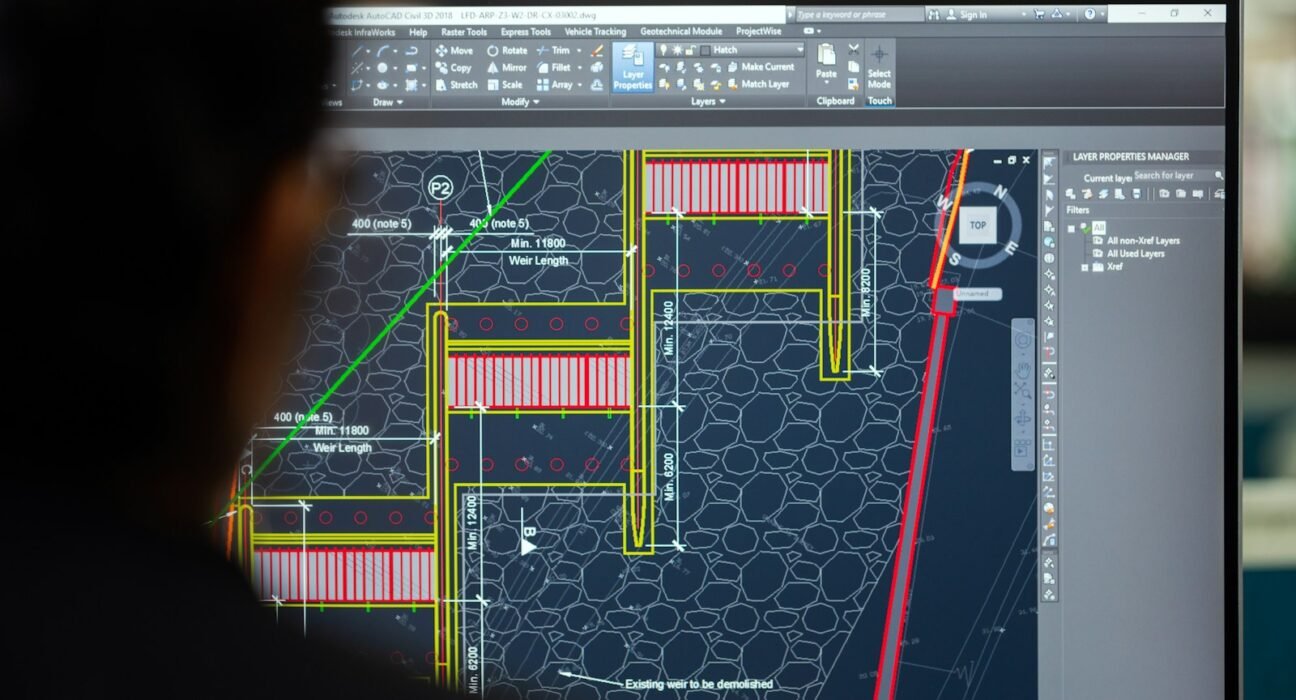
Manufacturing software development companies in Delhi should make the factory easier to run—not simply move paper forms onto a screen. The strongest system connects demand, materials, production, quality and dispatch so that teams work from consistent information.
When evaluating manufacturing software development companies in Delhi, focus on the features that solve your process constraints. The right manufacturing software development companies in Delhi should explain how each feature changes a real task for planners, operators or managers. A small job-work unit may need accurate material movement and challans before it needs AI forecasting. A multi-line factory may need machine scheduling, quality traceability and live work-in-progress visibility from day one.
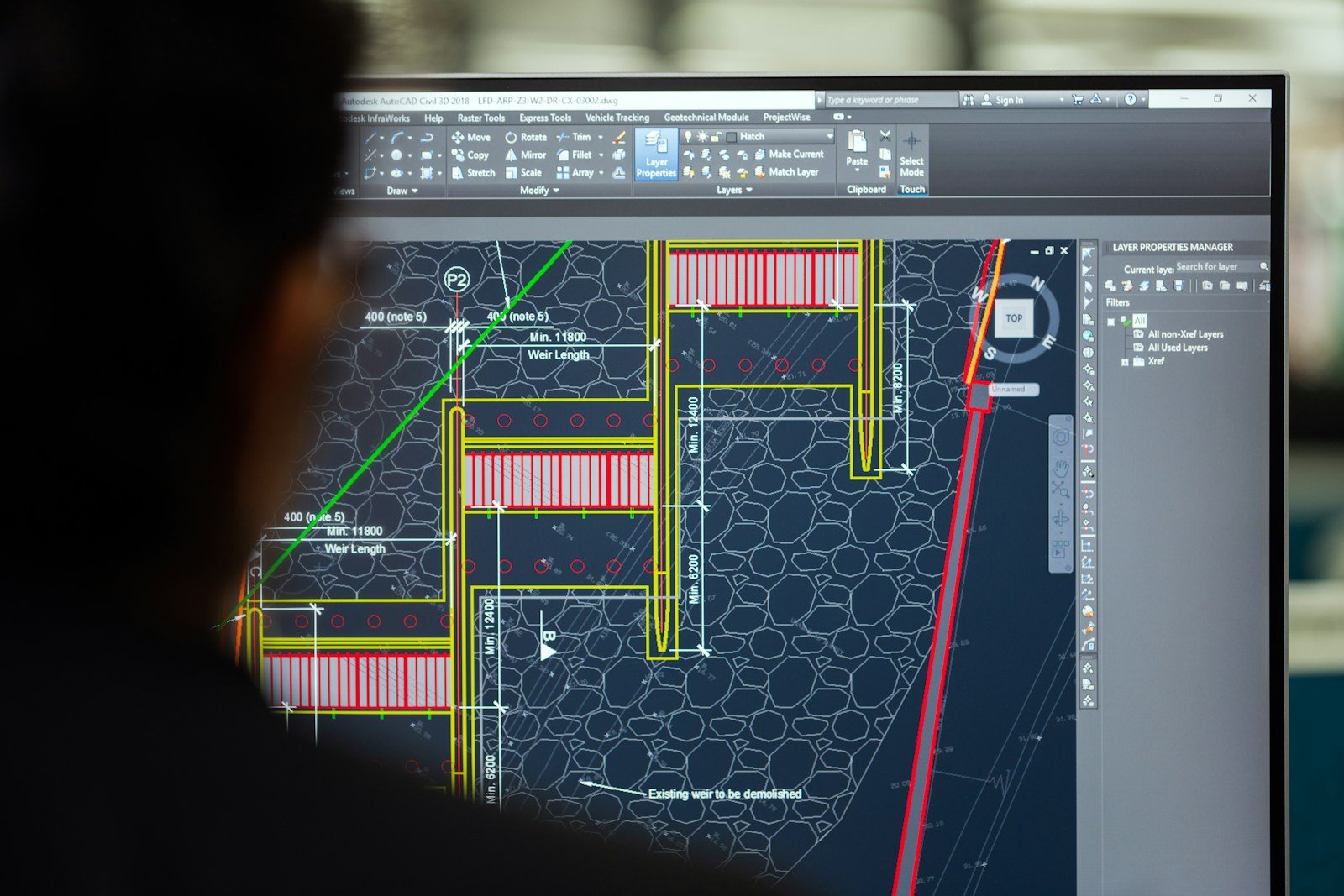
Core features manufacturing software development companies in Delhi should understand
When comparing manufacturing software development companies in Delhi, ask each provider to connect every proposed feature to a real user, task and measurable outcome.
1. Item masters and bill of materials
A clean item master avoids duplicate codes and inconsistent units. A BOM defines the components, quantities, wastage and versions needed to make a product. Multi-level BOM support matters when sub-assemblies are manufactured internally.
2. Material requirements planning (MRP)
MRP compares the production plan and BOM requirements with available stock and incoming purchase orders. It helps planners identify shortages before a job reaches the machine. Ask the vendor to show how substitutions, scrap factors, minimum order quantities and lead times are handled.
3. Production planning and work orders
Work orders should identify what to make, how much, where, when and with which route or work centre. Capacity planning should consider machine availability, shift calendars, changeover time and maintenance downtime—not just ideal cycle times.
4. Inventory and warehouse control
Look for location-wise stock, batch or serial tracking where required, barcode support, reservations, reorder levels, goods receipt and issue records. Inventory visibility is only useful when transactions are entered accurately and consistently.
5. Quality management and traceability
Quality checks may happen at incoming inspection, in-process stages and final dispatch. Record inspection criteria, accepted and rejected quantities, non-conformance reasons and corrective actions. If products need traceability, make sure a lot or serial number can be followed from raw material through finished goods.
6. Job work and subcontracting
For manufacturers that outsource processes, the system should track material sent to vendors, expected returns, processing charges, rejected quantities and pending challans. This is often overlooked in generic inventory software.
7. Costing and operational dashboards
Useful costing combines material, labour, machine time, overhead, scrap and subcontracting charges. Dashboards should show actionable measures such as planned versus actual output, order delays, rejection rate, stock ageing and work-order margin. Avoid dashboards that look impressive but do not lead to a decision.
8. Integrations and mobile workflows
Consider connections to accounting, GST, barcode devices, weighing scales, machines, customer portals and logistics providers. Mobile approvals can speed up decisions, but only if permissions, audit history and offline behaviour are properly designed.
How manufacturing software development companies in Delhi should phase features
Ask manufacturing software development companies in Delhi to rank features by operational impact, implementation effort and data readiness. A phased plan helps teams adopt the system without overwhelming the shop floor.
What should be built first?
Ask manufacturing software development companies in Delhi to recommend a phased roadmap. A sensible first release may cover item masters, purchase, inventory and production orders. Add MRP, quality, costing, machine integration and analytics after the core data is stable. For a smaller unit, start with one product family or one production line.
How Fameweb can contribute to a better manufacturing experience
Fameweb can support the digital experience and custom application side of a manufacturing transformation: user research, workflow mapping, interface design, responsive portals, dashboards, customer and dealer journeys, API integrations and AI-enabled automation where the business case is clear. These capabilities can complement a specialist ERP or MES rather than replace it.
For example, a manufacturer might need a simple supplier portal to confirm delivery dates, a dealer portal to track orders, or an internal dashboard that combines information from existing systems. Fameweb can help scope and design these connected experiences. The final solution should be agreed after technical discovery, including data access and integration feasibility. Learn more at Fameweb.
How manufacturing software development companies in Delhi can phase features
Manufacturing software development companies in Delhi should help you sequence features according to data readiness, operational risk and expected value—not simply sell the largest package.
Feature priority checklist
- Must have: accurate item masters, stock transactions, order visibility and role-based access.
- High value: BOM, MRP, work orders, quality checks and dispatch records.
- Next stage: machine data, advanced scheduling, AI forecasting and supplier/customer portals.
Learning takeaway: one source of truth beats ten disconnected screens
Every module should use consistent item codes, units, locations and order references. If inventory, production and finance use different versions of the same record, the system will reproduce the same confusion in digital form.
Use these priorities when discussing manufacturing software development companies in Delhi: first stabilise master data and inventory, then connect production and quality, and only then add advanced automation.
Outreach step: ask vendors to show one product from purchase receipt to finished-goods dispatch, including one rejected quantity and one material shortage. Note every manual workaround.
Watch a production control demo
Further reading
Use our 12-point checklist for manufacturing software to validate these requirements before approving a scope.